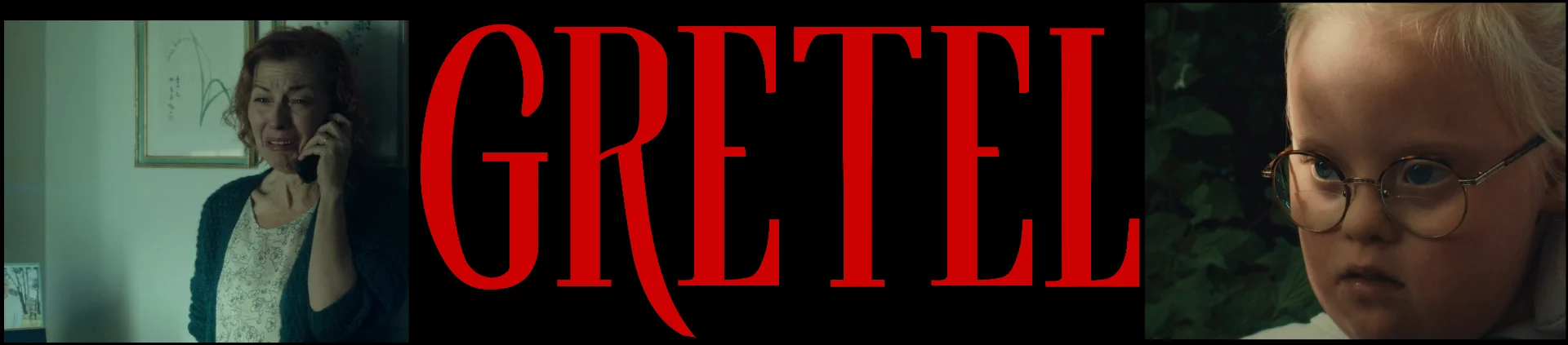
Gretel — A Film by Rohan Green
Some Cries For Help, Are Louder Than Others!
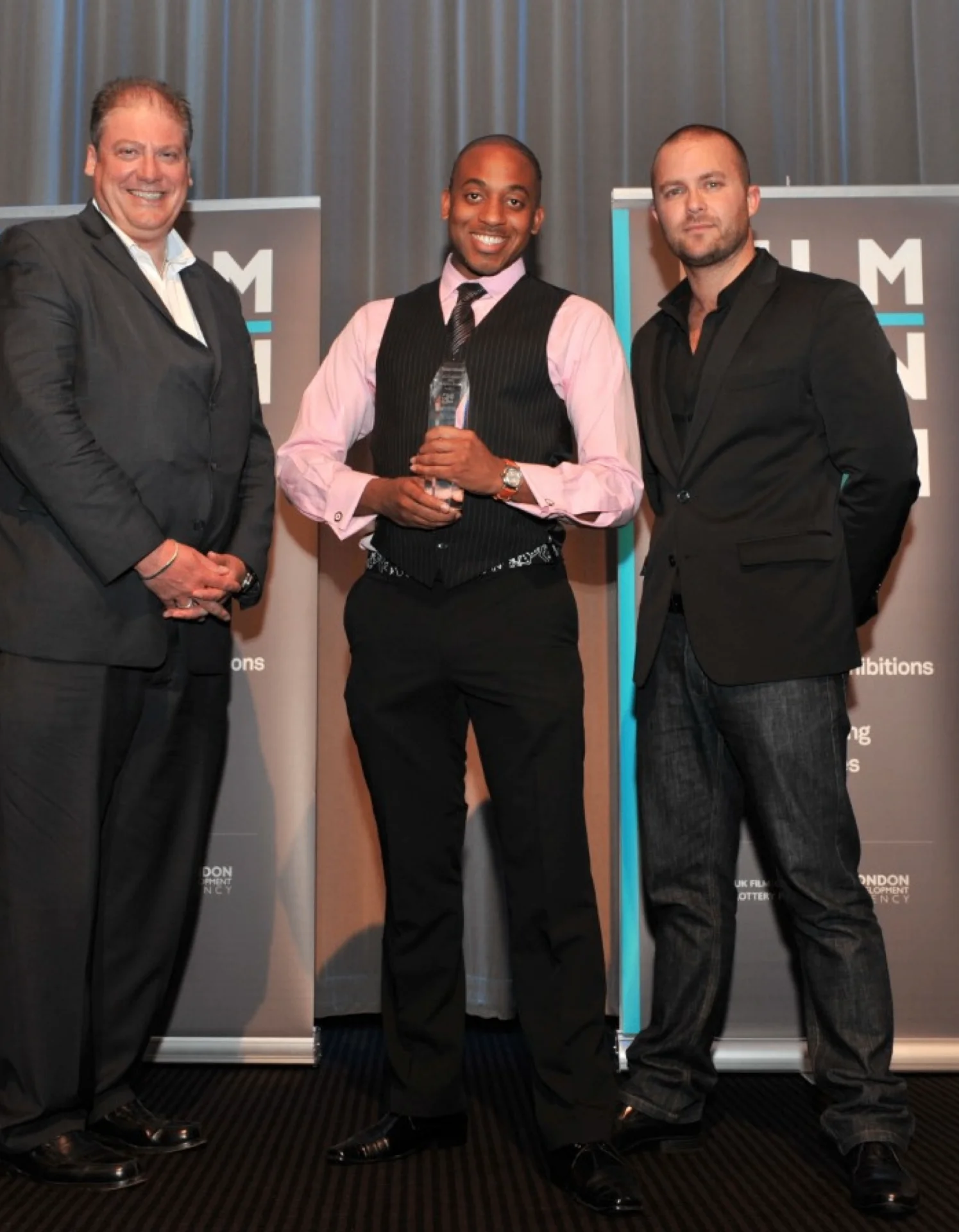
A Rohan Green Film
IMDB →Writer · Director
Rohan Green is a multi-award-winning filmmaker who has always been passionate about telling great stories. The last decade has seen him spend more time on awareness campaigns than on live-action films — a key part of both is storytelling and connecting with an audience. His previous narrative work includes Physical Education (2010), Home Economics (2014), and Tea and Crumpets (2012), films that consistently explore the nuances of human relationships and social dynamics. GRETEL is his most ambitious narrative work to date.
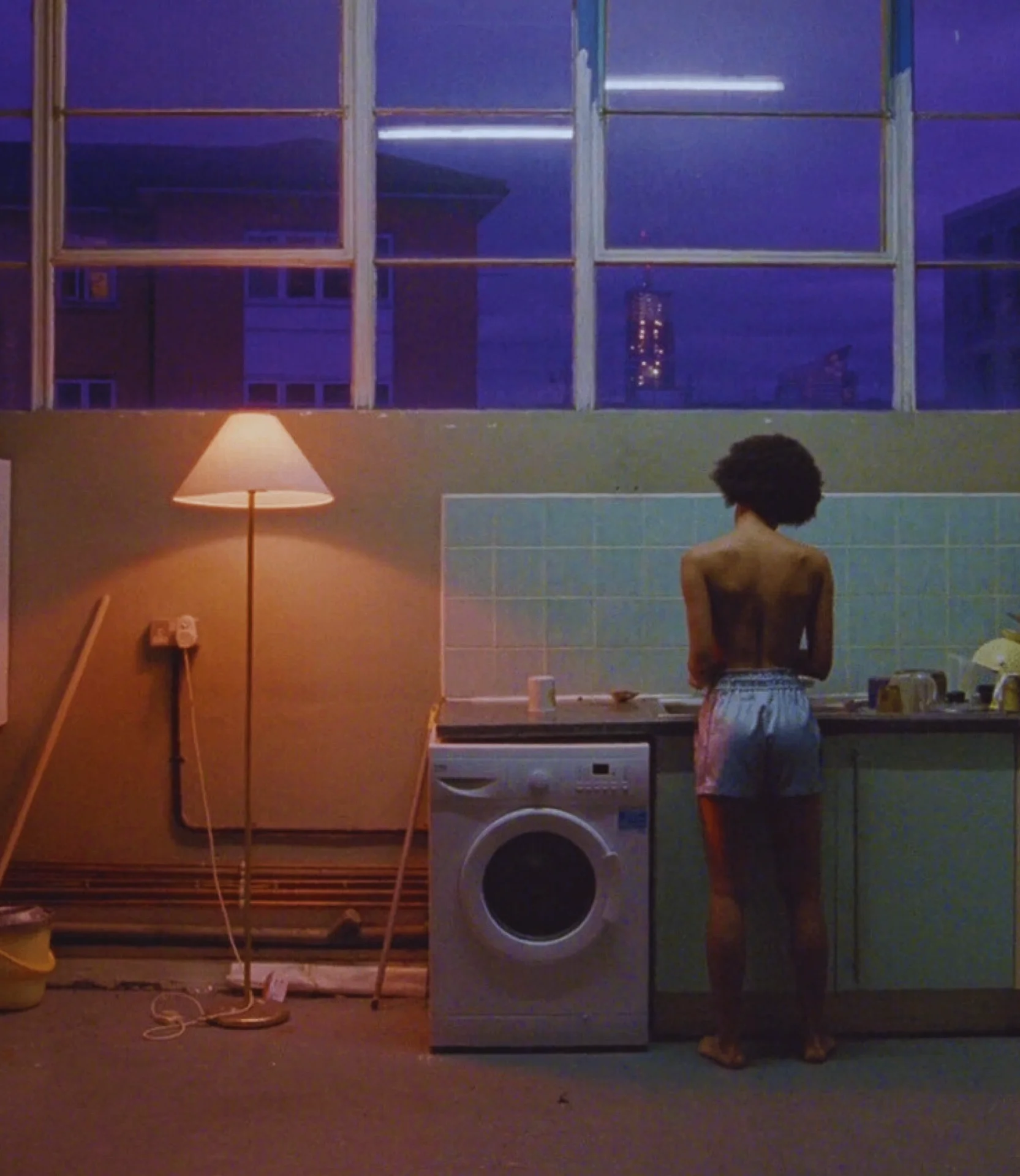
Synopsis
On an eerily quiet evening in East London, social worker Khadijah arrives at a rundown house carrying a secret of her own: an unplanned pregnancy. She's there to investigate reports of a child in distress.
At the door she's greeted by Gretel — a young girl with Down Syndrome, wearing a lopsided birthday hat and a plaster cast with the words HANSEL and FOLLOW scrawled across it. Behind her: Griselda, a grieving widow drowning in debt, her hands stained with oil.
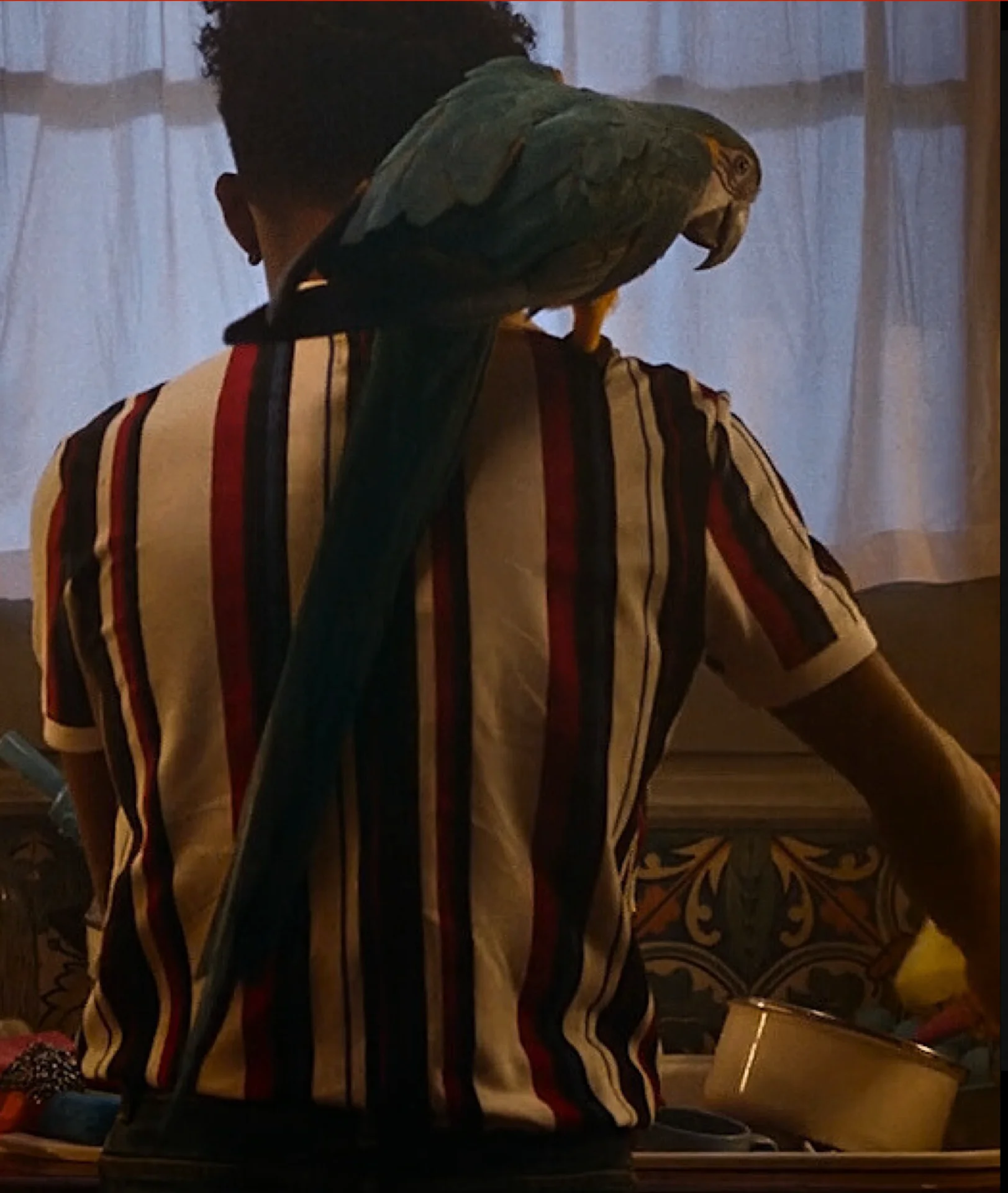
As Khadijah follows a trail of blue candies through the house, she finds a large birdcage — and inside it, a parrot named Hansel. The crying child was never a child at all.
But the danger is very real. In the garage, a car engine is running.
Setting: East London residential house & garage
Cast: Khadijah (24F), Griselda (50sF), Gretel (8F) + 1 voice
Shoot: 2–3 days
Director's Statement
"My vision is a dark, gritty Urban Gothic world — the skeletal structure of a classic fairy tale fleshed out with the harsh, modern realities of East London. I am not just telling a story about a social worker, but exploring the monsters created by societal neglect, debt, and mental health crises. By focusing on Khadijah's own secret pregnancy alongside Griselda's desperation, I want to highlight the cycle of motherhood and the terrifying weight of responsibility that comes with it.
I am making this film now to give a cinematic voice to the invisible crises following years of global and economic instability — to humanise those caught in the social care system and to show that evil in day-to-day society is often just extreme, unaddressed grief. With isolation and the cost-of-living crisis at an all-time high, this story is tragically timely."
— Rohan Green, Writer & Director
Produced by Natalie Bark